Planning Your Backyard Oasis
December 15, 2025Benefits of an Edible Landscape
Creating an edible landscape for your home has many benefits. Not only do you refresh your landscape look, but you also have access to fresh and healthy food right in your yard! Planning an edible landscape can allow you to have edible plants even in areas with strict CCR requirements.

There are many benefits to an edible garden: fresh, healthy food at home, saves money, food security, reduced grocery costs, boosting environmental sustainability by supporting pollinators, improving soil health, and kids tend to eat more fruits and vegetables that they help grow!
How to Plan an Edible Landscape

Planning is part of the creative process of renewing your landscaping with edible plants and trees. This creative process allows you to blend beauty with function by choosing the right plants for your yard’s sun exposure, water, and soil conditions. Using edible plants for landscaping can give your yard visual appeal, integrating them seamlessly with ornamental plants by keeping easy harvesting in mind.
Planning Steps:
- Map your yard’s sun exposure, both amount and time of day-6 to 8 hours needed for most edible plants
- Do you want more of a formal style of garden or a cottage garden look
- Select diverse edible plants, mixing perennials with annuals
- Preparing nutrient-rich soil that drains well
- Choose functionality by choosing plants that need daily harvest, like tomatoes, near frequently used paths
- Incorporating structures, such as trellises for support and added interest
Edible Garden Design Principles
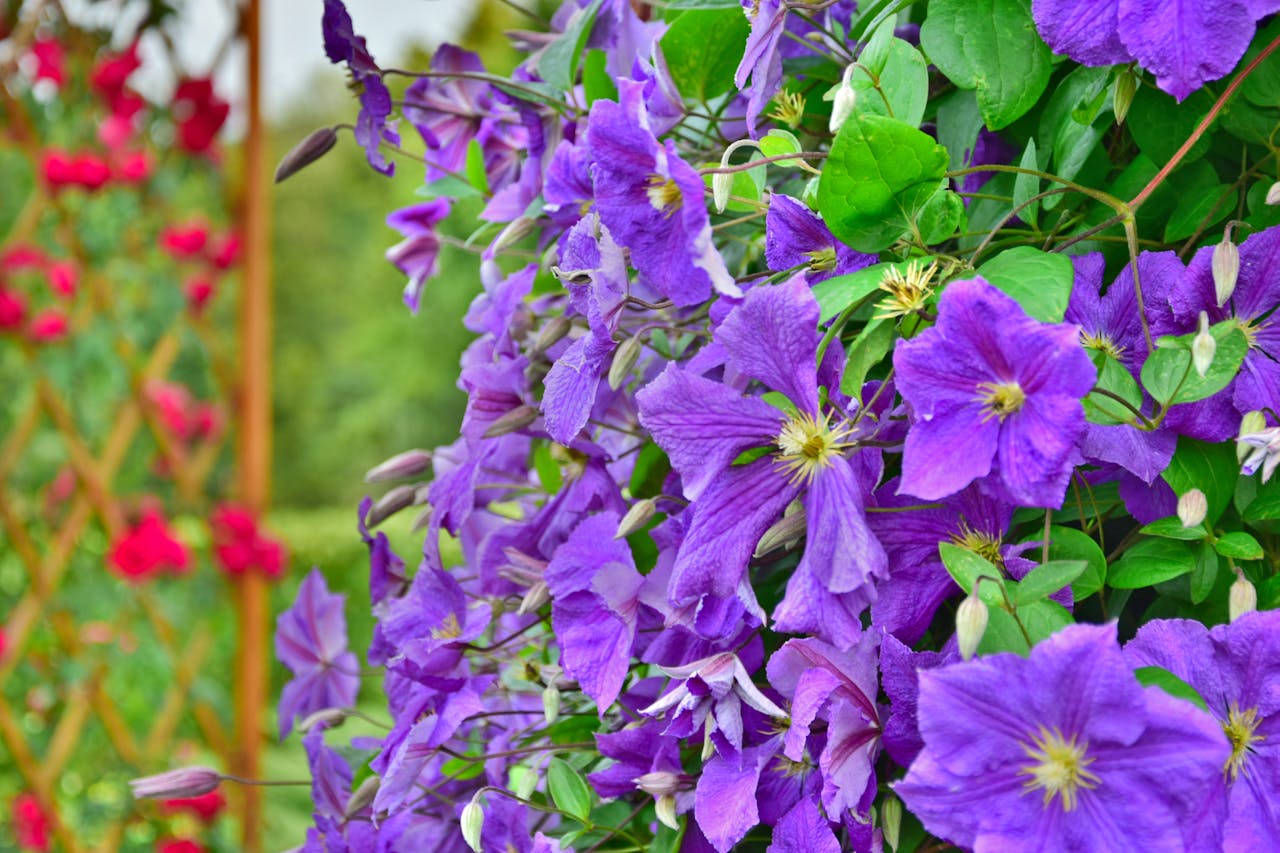
- Strategically place taller plants, such as trees and vines, in the back with shorter plants and bushes in the front, such as carrots or lettuce
- Mix edibles with year-round ornamental plants for consistent visual appeal
- Use trellises for climbing plants like grapes, cucumbers, peas, beans, and tomatoes
- Integrate edible flowers such as nasturtiums with herbs to protect your vegetables from pests
- Make sure your pathways are at least 24 inches wide for easy weeding and harvesting
Edible Landscape Plant Selection
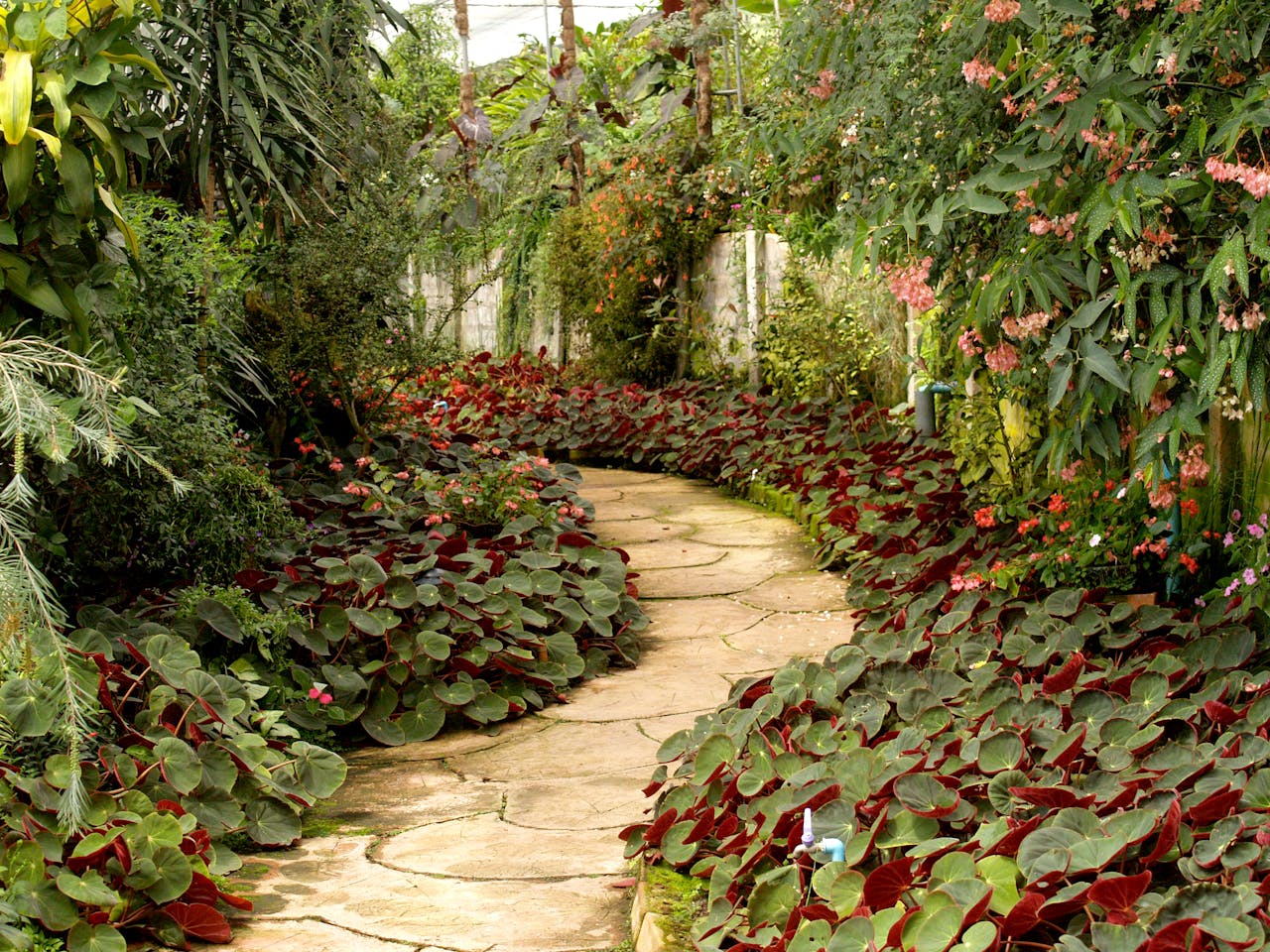
Choosing your edible plants is an enjoyable task. Variety is the key to a great edible landscape. We give you some suggestions below:
- Perennials: Berry bushes, fruit trees, asparagus, rhubarb, and artichokes are good choices. Dwarf trees are easier for small yards and also easier to prune and harvest. Beware of what berry bushes you plant because some are invasive. This is why we like blueberries the best in a wide variety, so you have a few months of harvest.
- Annuals: Tomatoes, be sure to choose a variety of types, peppers, kale, lettuce, spinach, carrots, beets, and more. We have found we can utilize space better with a French Intensive method of planting root plants next to taller plants that maximizes our garden space.
- Attract Pollinators: Bees help diversity and help pollinate your plants. Incorporate native plants, lavender, salvia, sage, butterfly bush, borage, rosemary, thyme, dill, fennel, oregano, sunflowers, zinnias, cosmos, asters, and goldenrod are good choices.
- Pot Aggressive Plants: Use planters for all varieties of mint or lemon balm.
Some Specific Edible Plant Suggestions:
We go into more detail below about what to plant in an edible landscape.
Herbs:

- Dill, Fennel, Oregano & Chives: All good choices for height and variety.
- Borage: High in nectar, and it blooms all day.
- Mint: Remember to pot all mint plants since they are invasive.
- Lavender: Fragrant, bee attractor, and can be dried as a decorative.
- Sage: A wide variety and a winter bloomer in most areas that attracts bees.
- Lemon Balm: A wonderful herb for teas, but make sure it doesn’t get invasive.
- Rosemary; One of my favorites for cooking, blooms for a long time, and attracts bees.
Flowers:

- Phlox & Verbena: Good choices for cut flowers.
- Bee Balm: A favorite, you can choose red, pink, or purple. This plant can be invasive, so it needs to be managed.
- Echinacea: Wonderful herb/flower for teas. Daisy-like and good for many growing zones.
- Sunflowers: large, bright, great for drying for sunflower seeds, and they also come in dwarf sizes for smaller gardens.
- Zinnias & Cosmos: Bright, great cut flowers, and easy to grow.
- Yarrow: Wonderful for pollinators and a great dried flower for decorative arrangements.
- Aster & Goldenrod: Wonderful for late-season bouquets.
Shrubs & Trees:

- Raspberry & Blueberries: Blueberries are my favorites since they don’t tend to be invasive like raspberries.
- Butterfly Bush: Attracts many pollinators and also butterflies. Butterfly bushes come in many colors and are relatively lowmaintenance.
- Flowering Cherry & Apples: Both have gorgeous springtime blooms.
Tips for a Bee-Friendly Edible Landscape

We offer a few suggestions below for increasing pollinators in your edible garden:
- Plants in Groups: Plant several of the same type of plants together to make them more visible to bees and other pollinators.
- Provide Variety: Mix annuals, perennials, herbs, shrubs, and trees.
- Continuous Blooms: Choose plants that flower in the spring, summer, and fall so you attract bees and other pollinators most of the year.
- Choose the Right Colors for Bees: Bees see blue, purple, yellow, and white best.
Your Edible Landscape’s Implementation & Maintenance

Planning is your first step, buying your plants is the next step, and then comes implementation and maintenance of your edible garden. This is where we caution you that if don’t have much time, choose plants and trees that don’t take much maintenance.
- Soil Preparation: Amend your soil with compost and have mulch on hand for after planting to deter weeds.
- Watering Plan: Installing drip irrigation is a way to cut down on the time spent maintaining your garden
- Mulch: Mulch Is Important. Use mulch to retain moisture and deter weeds.
- Choose Companion Plants: Plant plants to deter pests and improve growth. You can use certain flowers and herbs for cooking and also to deter pests.
- Succession Planting: Replace harvested annuals right away to keep beds productive. Planting a variety of annuals with different harvest times can also extend your growing season.
Enjoy Your Edible Landscape

After the planning, preparation, and planting are done and your edible landscape has started to grow and take form, we suggest sitting and enjoying what you have created. Gardens are a wonderful place to relax, renew, and recharge after a busy day. Sitting on a swing or bench and watching the birds and pollinators that you’ve attracted to your garden is a great way to ground at the end of the day.


 Skip to content